
102: Um Al Khayr - Remote but Besieged
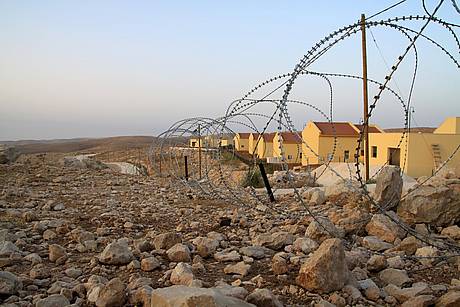
Another fence
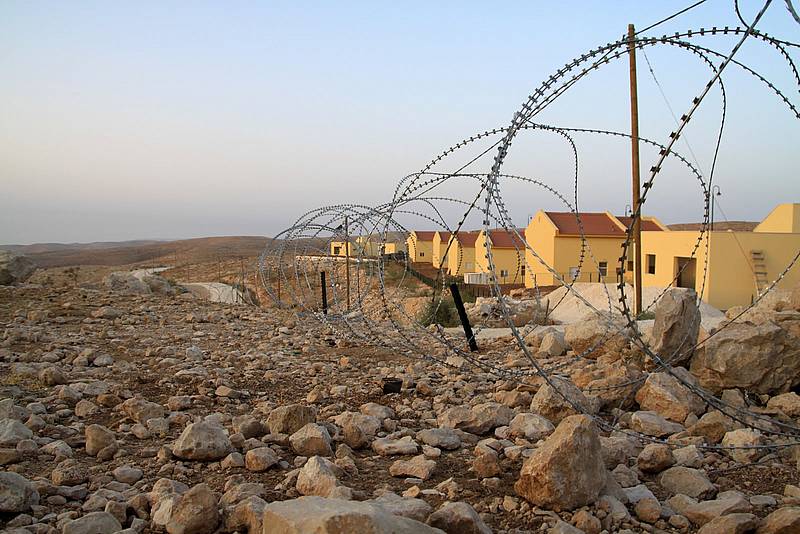
Recently, the settlers added more razor wire to the barrier separating them from the nearby Bedouin community.
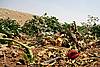
This year's crop
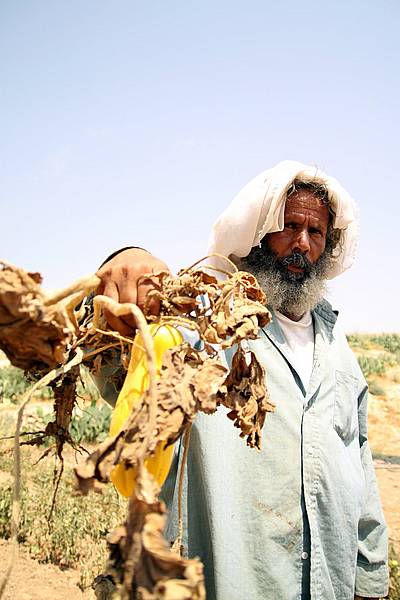
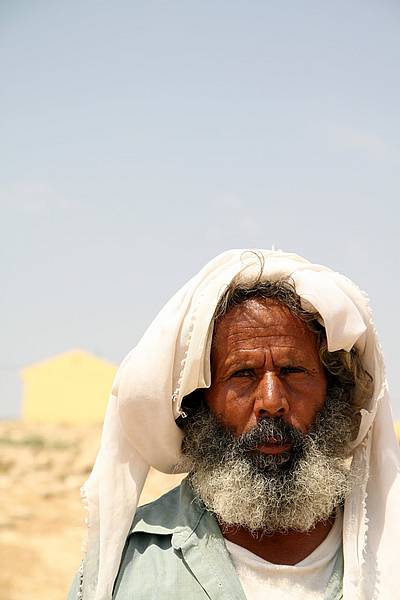
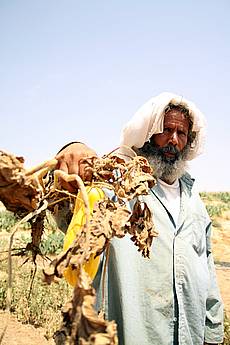
Suleiman holds up an eggplant that was ripped out of the ground by settlers in the middle of the night.

The way things were
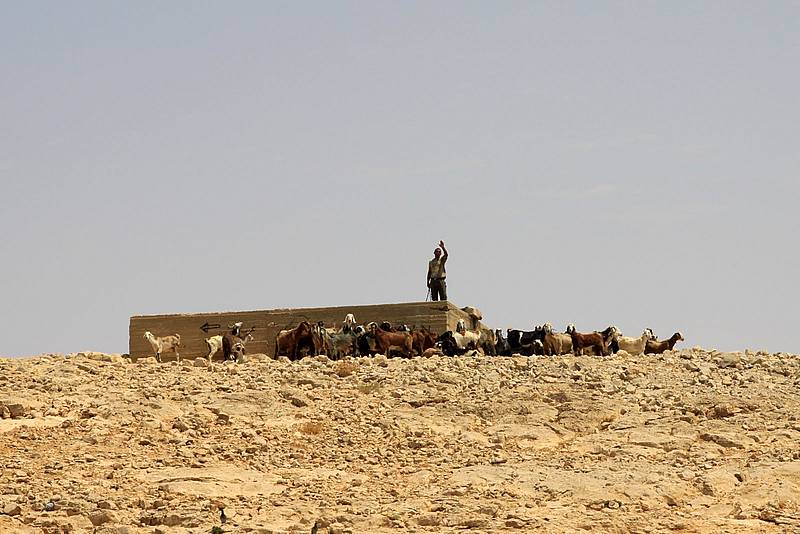
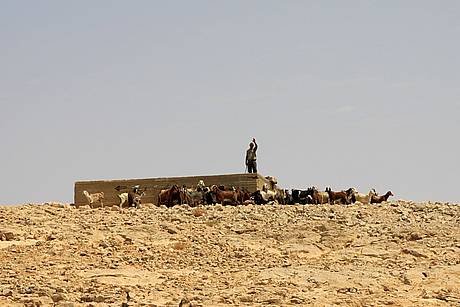
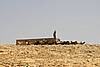
Herding goats and sheep is a centuries-old way of life for the Palestinian Bedouin.
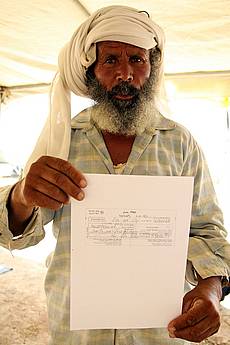
All's not fine
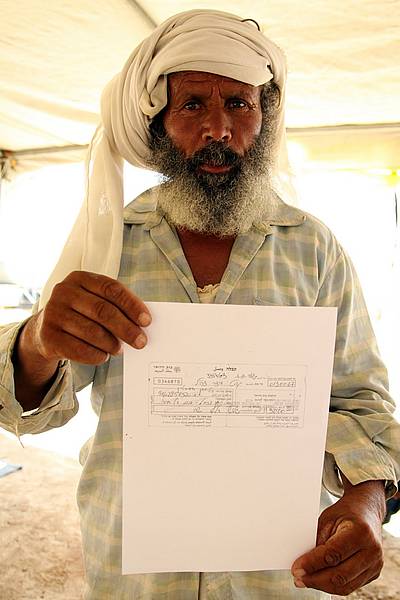
Seliman shows a 3,000 NIS (US$790) fine he incurred for not following up the Israeli court's order to demolish one of his houses. Israel does not allow the Bedouins to build "legally" here.

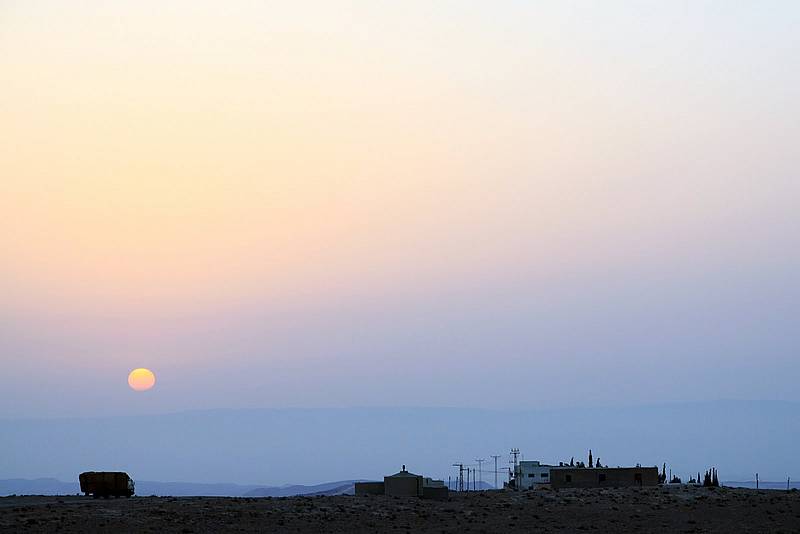
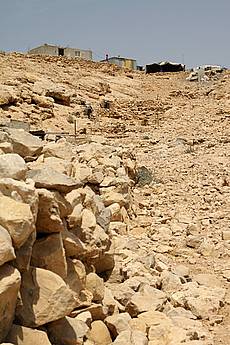
Will the water return?
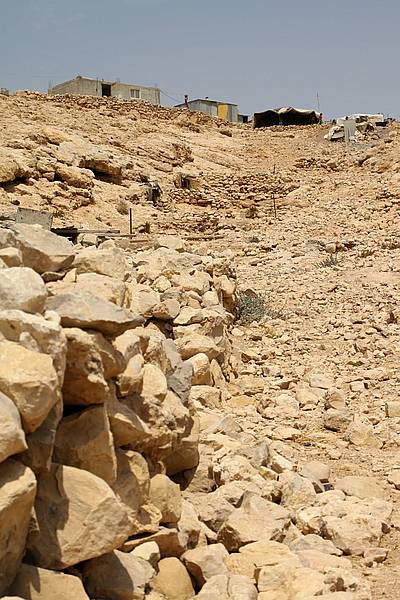
The valley below Um Al Khayr shows how arid these hills can be, particularly in high summer.

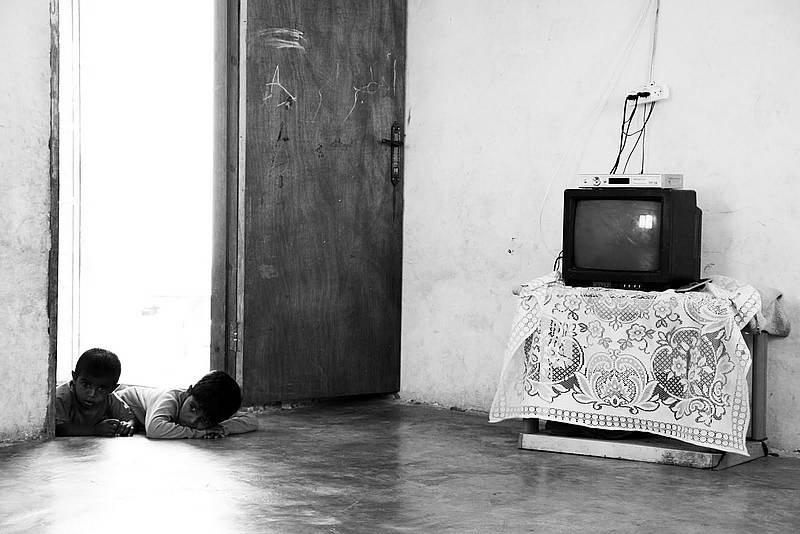
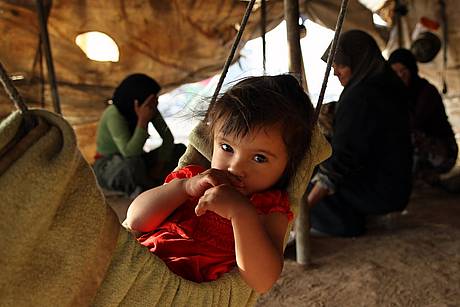
A home - but only just
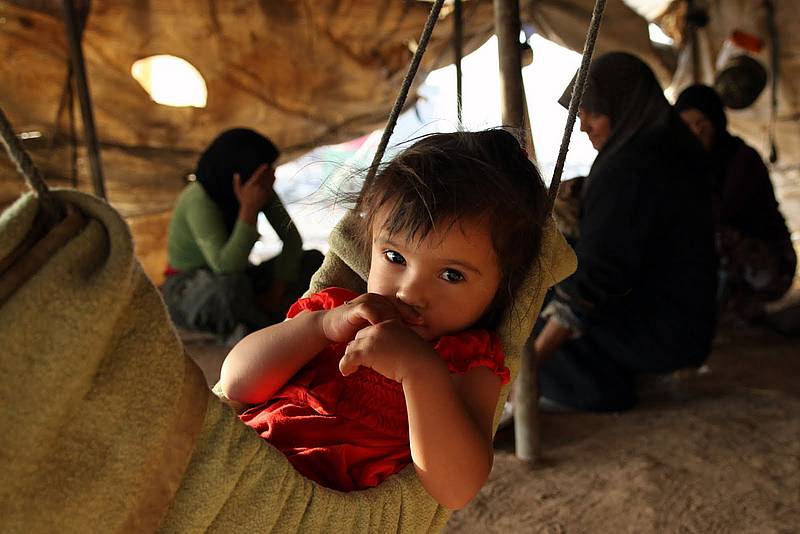
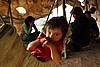
Suleiman's granddaughter sits in a hammock in one of the community's tents. Many of these simple, communal structures are threatened with demolition by the Israeli authorities.
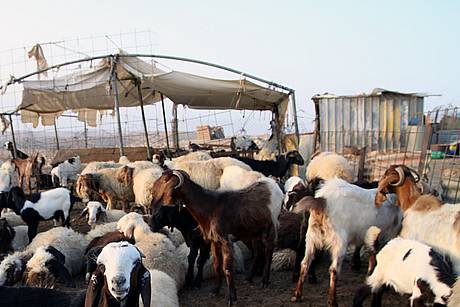
A pastoral life
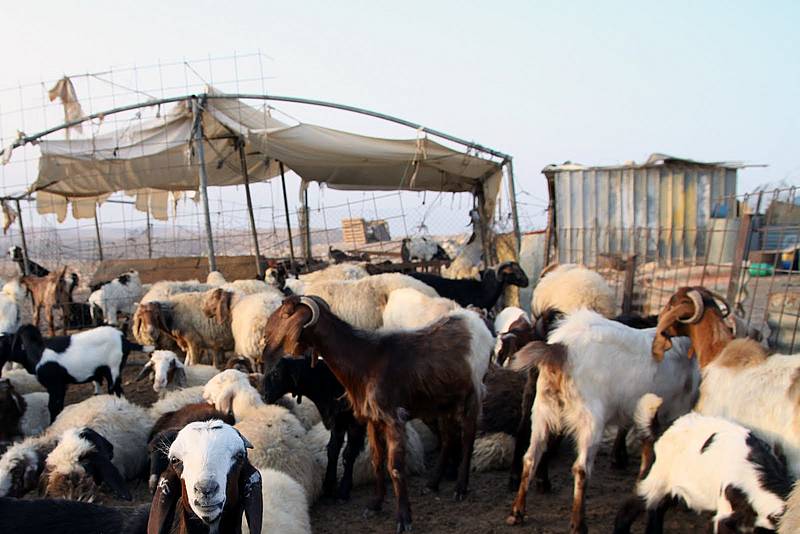
The residents of Um Al Khayr originate from the Negev desert, where they were herders. Although they were displaced when Israel was created in 1948, livestock remains an important part of their lives.
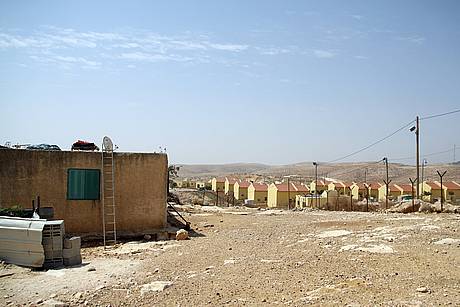
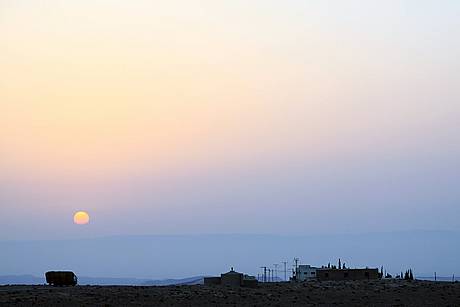
Two communities in contrast
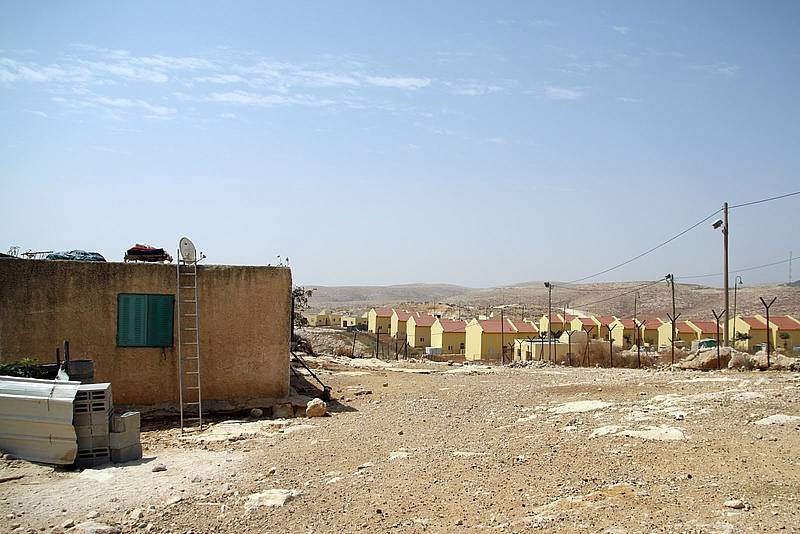
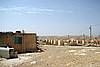
The settlement of Karmel, on the right, enjoys all modern conveniences. The Bedouin camp of Um Al Khayr is separated from the settlement by a barbed wire fence and a gulf of inequality.

Water for life
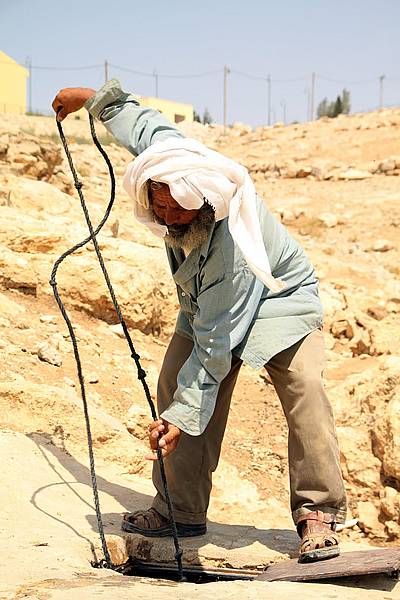
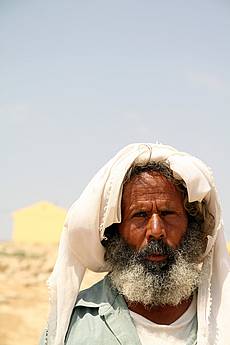
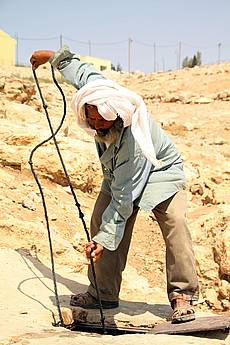
A simple well provides very limited water to the shepherds of Um Al Khayr, sometimes as little as 20 litres per day for all purposes. Up to 200,000 Palestinians in similar rural communities have no access to running water at all.

More than vandalism
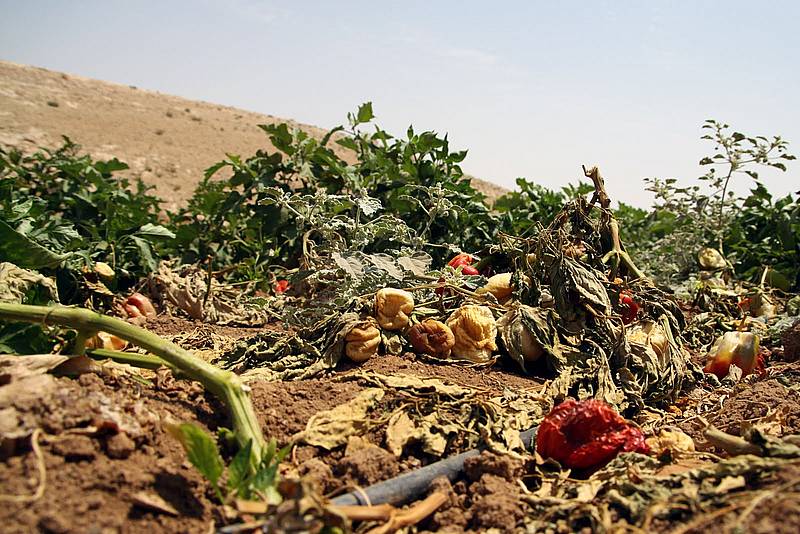
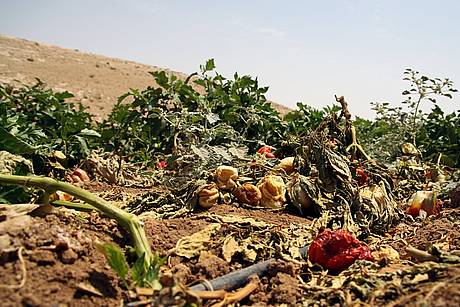
In the middle of the night, settlers came to the land of the Bedouins to destroy their harvest. They ripped eggplants, red peppers and tomatoes out of the ground and destroyed part of the irrigation system.
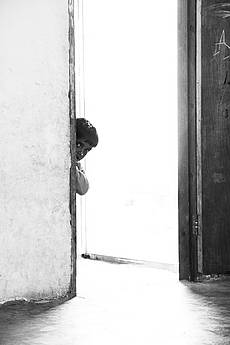
Curiosity...
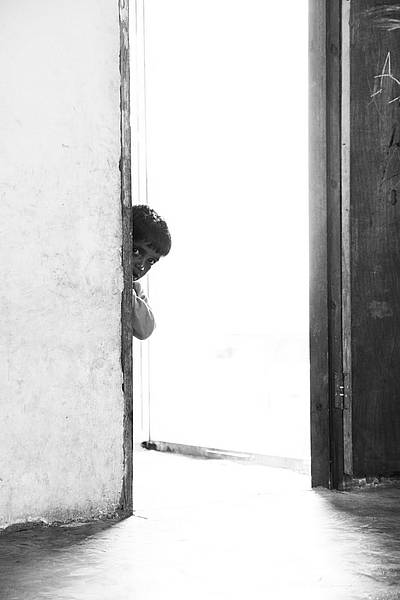
This young boy stared at us as we talk to his father. The village gets plenty of foreign visitors, but some of the children remain shy.

Photographs by Jeppe, Ecumenical Accompanier in Hebron
The twenty-two families of Um Al Khayr were once herders of sheep and goats in the Naqab (Negev) Desert. After their tribe was displaced by Zionist militias in 1948, they moved to the South Hebron Hills and set up this simple village of tents, gradually moving to more permanent structures. But since Israel occupied the West Bank in 1967, their existence here has become more and more vulnerable. The encroaching settlement of Karmel makes life increasingly difficult for this community, which depends heavily on access to land for grazing. A series of violent attacks by settlers, demolition orders by the army and daily restrictions on movement and access to water make life here as hard as that of any community in the West Bank.
You can read more about Um Al Khayr here.
To join EAPPI's campaigns for an end to the occupation, join us on Facebook.